Scripture
The Bible about itself -- canon, manuscripts, translation, and the archaeology behind the text.
Drawn in these studies
-
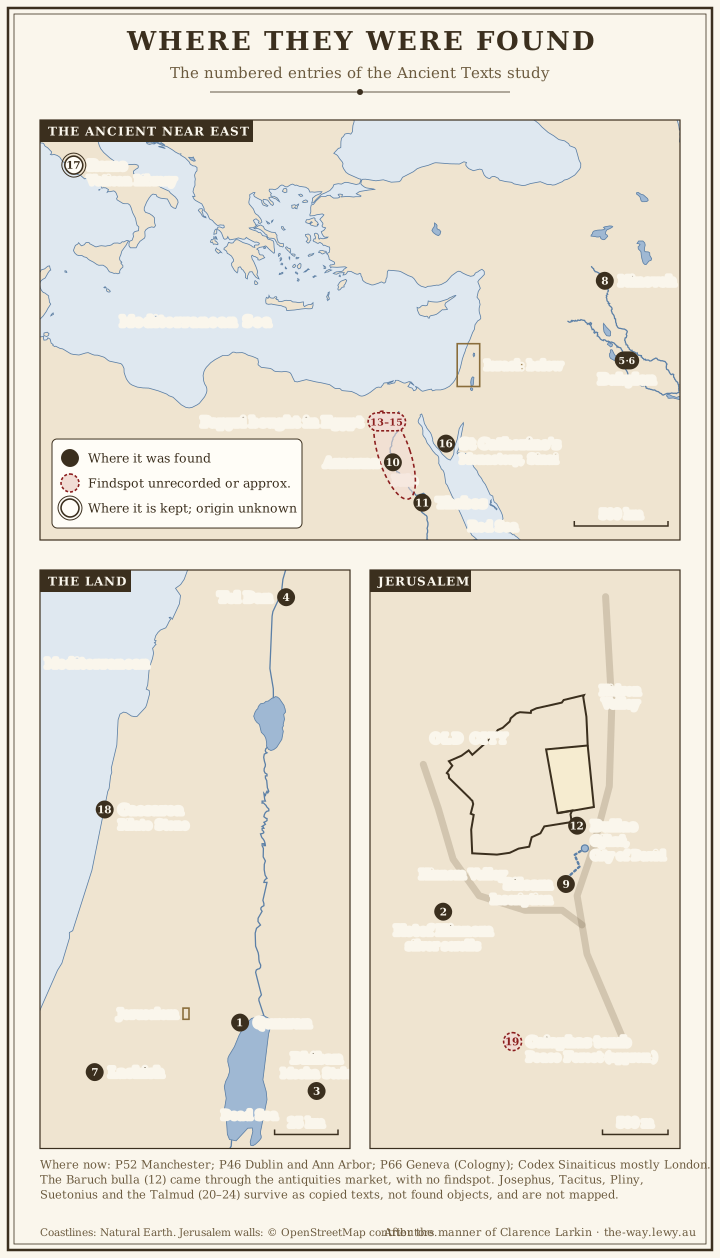
Ancient texts and manuscripts: where they were found · Ancient Texts and Manuscripts
-
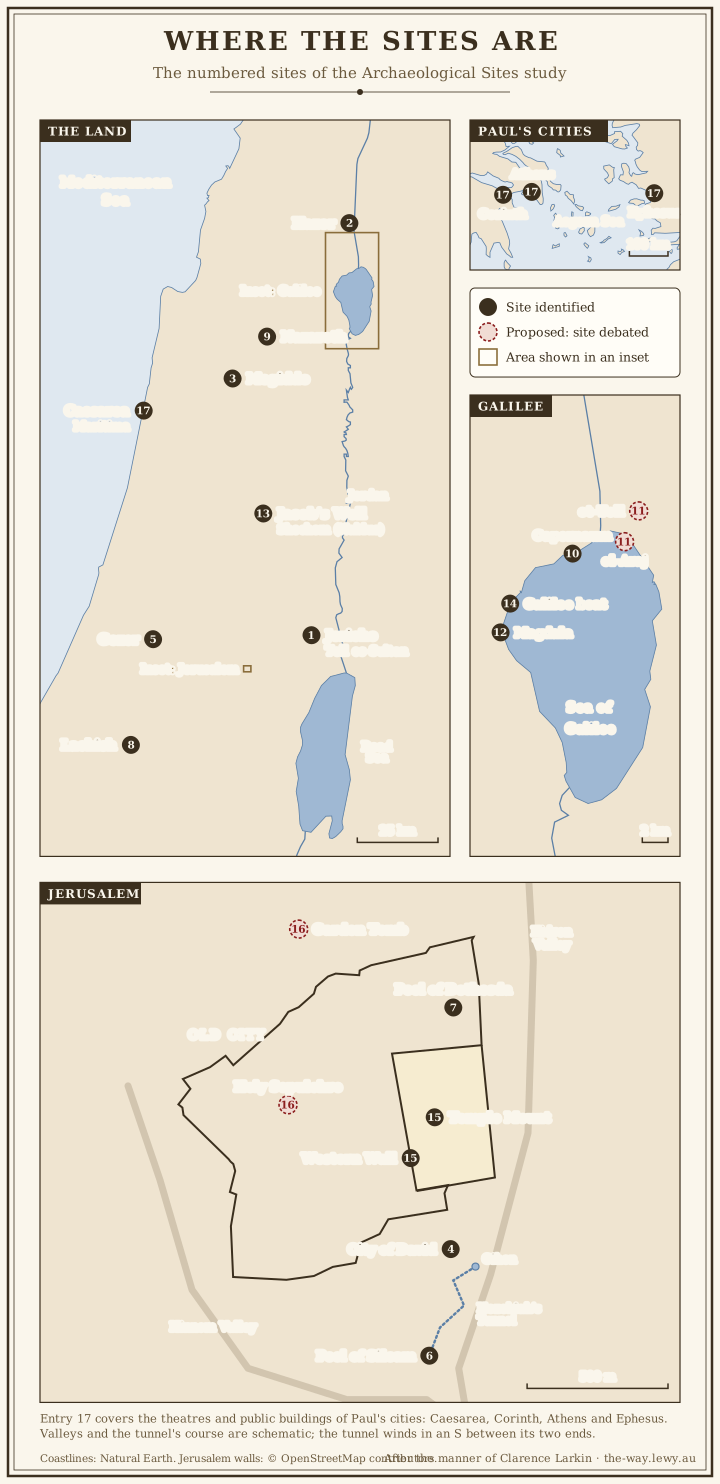
Archaeological sites: where they are · Archaeological Sites
-
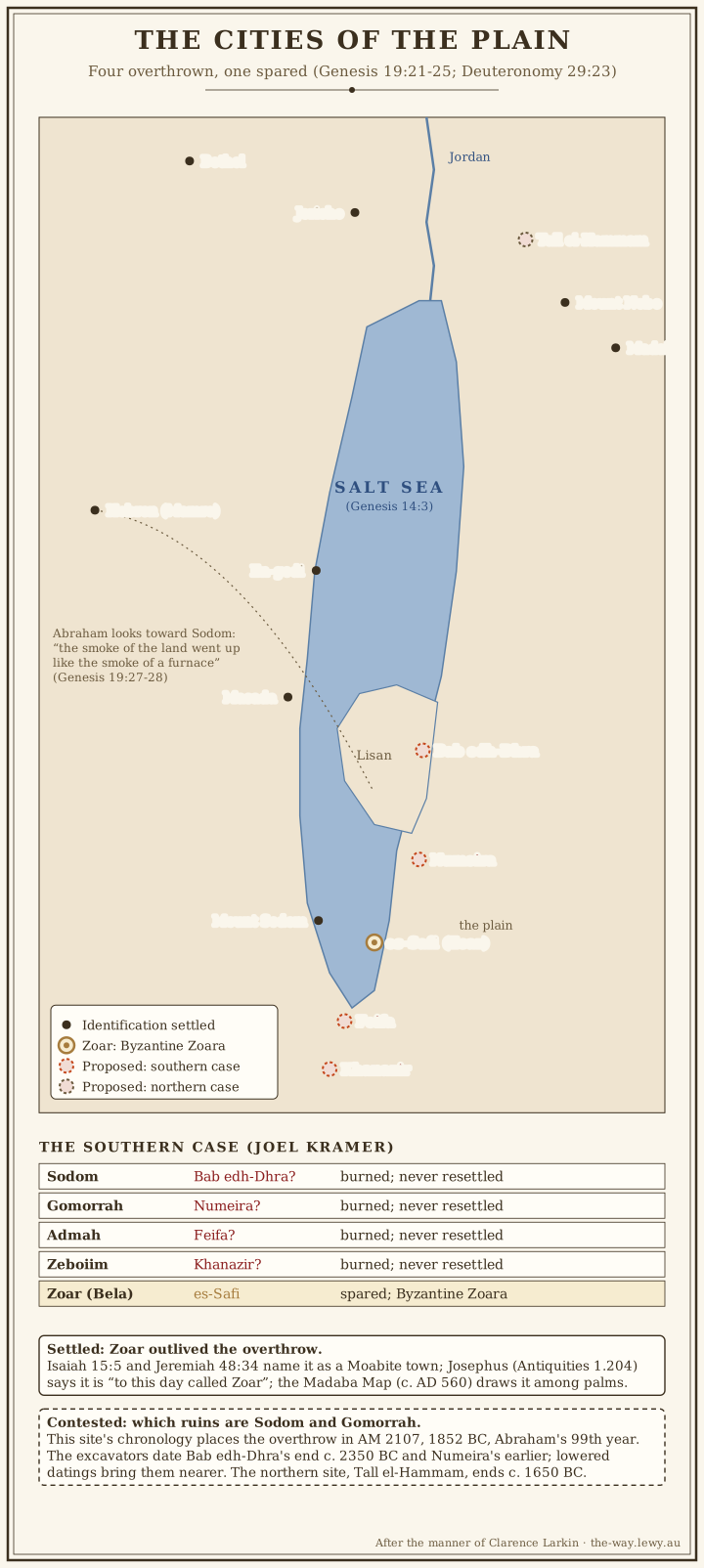
The cities of the plain: the southern case · The Cities of the Plain
-
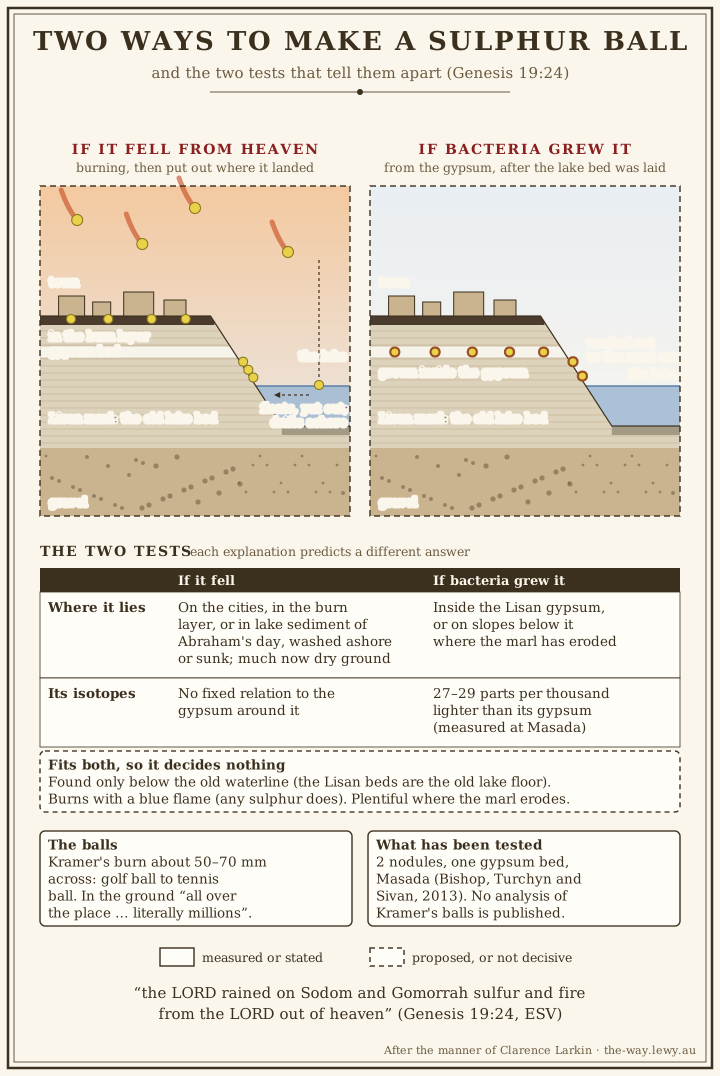
Two ways to make a sulphur ball · The Cities of the Plain
The studies
-
Ancient Texts and Manuscripts
How Scripture compares to other ancient works on manuscript evidence, what textual criticism actually shows, and the record of a text that survived deliberate campaigns to destroy it -- with 24 corroborating artifacts.
-
Archaeological Sites
Archaeological sites that validate Scripture
-
The Cities of the Plain
Four cities overthrown by fire and one spared: what Genesis says about Sodom, Gomorrah, Admah, Zeboiim and Zoar, how the rest of Scripture keeps the difference, Zoar on the sixth-century Madaba mosaic, the burned southern sites, and the sulphur balls.
-
Early New Testament Manuscripts
earlynewtestament.com — English translations of the 83 earliest known New Testament papyri, all dated to AD 300 or earlier
-
How to Read the Bible
A practical method for reading Scripture well: what it meant before what it means, in that order
-
Melchizedek in Second Temple Judaism
How Jews between the Testaments read Genesis 14 and Psalm 110: Qumran's heavenly redeemer, the Genesis retellings, Hasmonean priest-kings, Philo and Josephus, and how Hebrews 7 answers them.
-
Biblical Numerology
What Scripture actually does with numbers — verified acrostics, the one number the Bible asks us to calculate, and why the 'Bible code' industry fails on its own terms.
-
Reading the Original-Language Data
What the Hebrew and Greek sources behind this site actually are, what an annotation layer like MACULA adds on top of a text, and what the vocabulary means — lemma, morphology, Strong's number, semantic domain, alignment — with one verse shown at every layer.
-
The Scribe Trained for the Kingdom
Matthew 13:52 — Jesus makes a scribe out of a disciple, stocks his storeroom with everything God has said, and sends him to spend it
-
Scribes and Pharisees: a Trade and a School
γραμματεύς names a profession, held by men of the Pharisees' party and by the town clerk of Ephesus, while Pharisee and Sadducee name schools. Matthew pairs the two to name Israel's teachers of the Law, and Jesus trains and sends scribes of His own.
-
Bible Translations & Source Texts
The English translations, Hebrew Masoretic witnesses, and Greek New Testament/Septuagint texts this project relies on — strengths, cautions, publication history, and which ones are actually queryable in this repo's own database versus cited from general knowledge.
-
Verses Often Misquoted
Eight well-known church sayings read back into their paragraphs: how each is usually quoted, what it says in context, and where to read more. The pattern goes back to Eden's "Did God actually say?" Read where they stand, each verse gives you more of Jesus than its slogan does.
-
Verses Quoted Well
Genesis 1:1, John 3:16 and Hebrews 11:1 keep their meaning when quoted alone, because each is its paragraph's own thesis sentence. Why they travel well, what their key words mean, and what their context adds.
-
What the Scripture Links Reveal
What 2,500 links derived from the Hebrew and Greek texts show about how Scripture quotes Scripture: the verses the New Testament quotes most, the book that quotes most densely, the psalm that may carry Paul's words, the gaps that turned out to be the method's, and the connections that leave no trace in the wording at all.